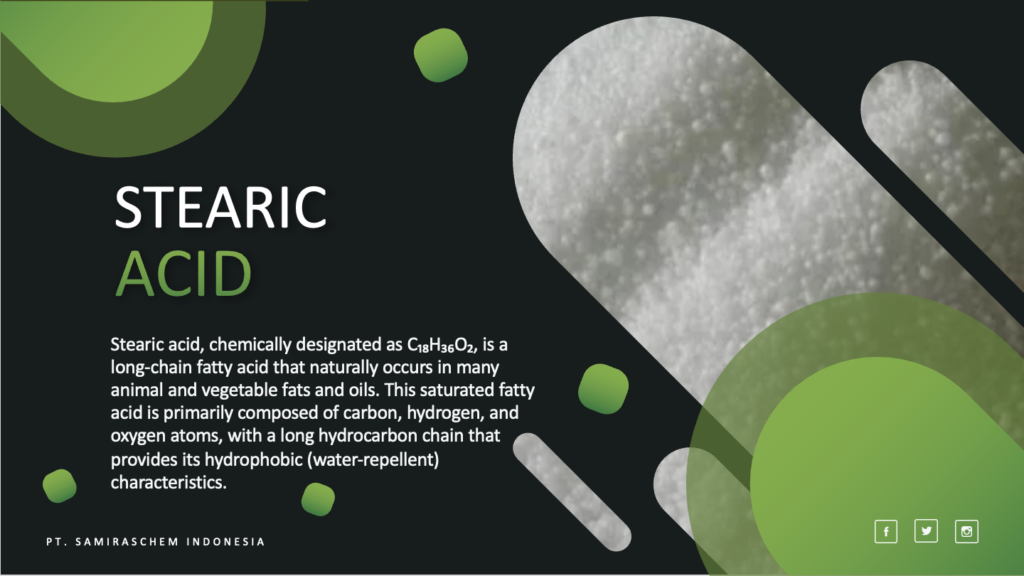
Stearic acid for skin
Stearic acid, a saturated fatty acid, has become a popular ingredient in the skincare and cosmetics industries due to its multifaceted benefits for the skin. Found naturally in animal fats, some plant oils, and many skincare products, has a range of properties that make it valuable for moisturizing, protecting, and enhancing the texture of skin formulations. This guide explores the roles, benefits, and considerations of using stearic acid in skincare in detail.
1. What is Stearic Acid?
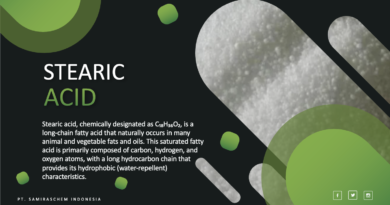
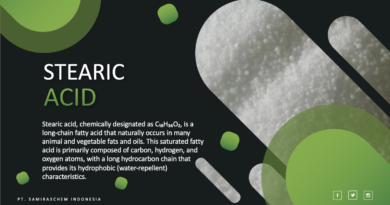
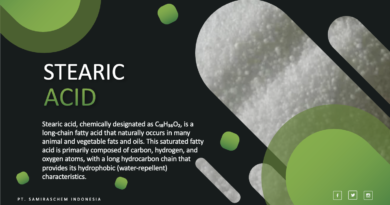
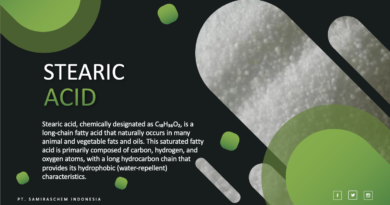
is a long-chain saturated fatty acid with 18 carbon atoms. It’s solid at room temperature and is widely used in skincare for its stable, hydrating, and emulsifying properties.
Sources of Stearic Acid:
- Animal Sources: naturally present in animal fats, such as those found in beef, pork, and poultry.
- Plant Sources: It is also abundant in certain plant oils, notably cocoa butter, shea butter, and coconut oil, which are commonly used in cosmetic formulations.
In skincare, stearic acid is typically derived from plant-based sources to suit a wider range of consumer preferences, including vegan products.
2. The Role of Stearic Acid in Skincare
In the context of skincare, serves as a humectant, emollient, thickener, and emulsifier. Each of these roles contributes to its popularity as a beneficial skincare ingredient.
a. Humectant
As a humectant, helps attract moisture to the skin’s surface. This makes it especially useful in hydrating products designed for dry or sensitive skin.
b. Emollient
Stearic acid acts as an emollient by forming a protective barrier over the skin’s surface. This barrier helps prevent transepidermal water loss (TEWL), locking moisture into the skin and keeping it soft and smooth.
c. Thickener
also works as a thickener in many cosmetic products, giving creams, lotions, and other products a desirable consistency and texture. This quality helps improve the feel and spreadability of the product on the skin.
d. Emulsifier
Stearic acid is crucial in stabilizing emulsions, which are mixtures of oil and water. By binding oil and water together, it ensures a smooth and homogenous product, preventing ingredients from separating and improving the product’s shelf life.
3. Benefits for the Skin
provides several unique benefits that enhance both the look and feel of the skin. Below are the main benefits associated with this ingredient:
a. Deep Moisturization
Stearic acid’s humectant and emollient properties make it excellent for moisturizing the skin:
-
- It helps draw moisture from the environment and holds it on the skin’s surface, making it effective for those with dry or flaky skin.
- The barrier it forms helps reduce moisture loss, keeping the skin hydrated for longer periods.
b. Skin Softening and Smoothing
When applied, stearic acid helps soften rough or dry patches of skin by replenishing lipids in the skin barrier. This makes the skin feel smoother and more supple to the touch.
c. Protective Barrier Function
strengthens the skin’s natural lipid barrier, which is essential for protecting against environmental stressors, pollutants, and irritants. A healthy skin barrier helps prevent conditions like eczema, dermatitis, and dryness.
d. Improvement in Product Texture and Stability
a stabilizing agent that prevents skincare products from separating. It enhances the texture of creams and lotions, making them creamier and easier to spread without leaving a greasy or heavy feel on the skin.
4. How Stearic Acid Works in the Skin Barrier
Stearic acid supports and mimics the natural fatty acids found in the skin’s outer layer, the stratum corneum. This layer relies on a balance of ceramides, cholesterol, and fatty acids to maintain its strength and protect against moisture loss.
- Restoration of Skin Barrier: Regular application of products with stearic acid can help restore lipid deficiencies in the stratum corneum, thereby reinforcing the skin’s natural defenses.
- Enhanced Resilience: With a stronger barrier, the skin becomes more resilient against environmental damage and remains more hydrated, plump, and firm.
5. Who Can Benefit from Stearic Acid in Skincare?
can benefit most skin types, though it is especially beneficial for:
- Dry Skin: Stearic acid’s emollient properties make it ideal for people with dry or rough skin, as it helps retain moisture and improve skin texture.
- Sensitive Skin: Stearic acid is mild and non-irritating, making it a good option for sensitive skin types. It reinforces the skin’s barrier, reducing the likelihood of irritation from external factors.
- Aging Skin: Since it helps maintain moisture and improves elasticity, stearic acid is also helpful for aging skin, which tends to lose moisture and resilience over time.
6. Common Products Containing
commonly found in various skincare products, including:
- Cleansers and Soaps: It acts as a surfactant, helping to cleanse the skin without stripping it of its natural oils.
- Moisturizers and Creams: Many creams and lotions use stearic acid as a thickening agent and emollient to provide long-lasting hydration.
- Sunscreens: often included in sunscreens to stabilize the formulation and improve the product’s spreadability.
- Body Butters and Balms: Its occlusive properties help lock in moisture and provide a protective layer, which is especially useful in body care products.
7. Is Stearic Acid Safe for All Skin Types?
generally regarded as safe and well-tolerated. It is considered non-comedogenic, meaning it does not clog pores or cause acne. However, there are a few considerations to keep in mind:
- Allergy Sensitivity: While rare, some individuals may experience mild irritation or an allergic reaction. If you have sensitive skin or known allergies, perform a patch test before using products containing stearic acid.
- Skin Type Consideration: Those with extremely oily skin might find products with high concentrations of stearic acid to be slightly too rich. However, in balanced formulations, it should not cause issues for oily skin types.
8. How to Incorporate Stearic Acid into Your Skincare Routine
Stearic acid can be incorporated into a skincare routine with ease, as it is found in a range of products. Here are some tips:
- Daily Moisturizer: For a softening and protective effect, use a moisturizer containing stearic acid after cleansing.
- Night Cream: can feel rich, night creams with this ingredient can deeply nourish the skin overnight.
- Cleanser with Stearic Acid: A cleanser is ideal for those with dry or sensitive skin, as it will help to cleanse without stripping.
9. Environmental and Ethical Considerations
Stearic acid can be derived from both animal and plant sources, which is an important consideration for consumers:
- Vegan Formulations: sourced from plant oils, such as palm oil or cocoa butter, is suitable for vegan and cruelty-free products.
- Sustainable Sourcing: Some companies use sustainably sourced from environmentally responsible palm oil plantations. If environmental impact is a concern, look for certifications like RSPO (Roundtable on Sustainable Palm Oil).
10. PT. Samiraschem Indonesia is Reliable Supplier and Distributor Stearic acid with High Quality Product and Good Price
Stearic acid offers multiple benefits for skincare, from moisturizing and protecting the skin barrier to stabilizing and thickening cosmetic formulations. Its gentle nature makes it suitable for a range of skin types, especially those with dryness or sensitivity. By enhancing product texture, improving moisture retention, and supporting the skin’s natural barrier, a versatile and valuable ingredient in modern skincare. For best results, consider choosing products that include stearic acid as part of a broader skincare routine tailored to your specific needs.