Glucose
Glucose: A Detailed Exploration
1. Introduction to Glucose
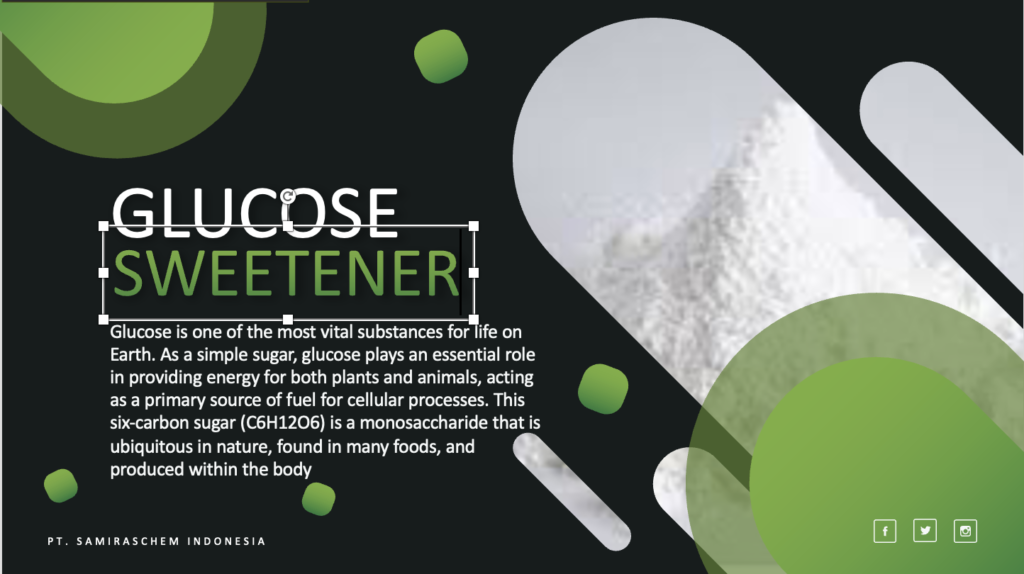
Glucose is one of the most vital substances for life on Earth. As a simple sugar, glucose plays an essential role in providing energy for both plants and animals, acting as a primary source of fuel for cellular processes. This six-carbon sugar (C6H12O6) is a monosaccharide that is ubiquitous in nature, found in many foods, and produced within the body. Understanding glucose not only reveals how living organisms sustain themselves but also how its balance is critical to human health.
2. Chemical Structure
Chemically, simple sugar classified as a monosaccharide, the most basic unit of carbohydrates. Its molecular formula is C6H12O6, meaning it consists of six carbon atoms, twelve hydrogen atoms, and six oxygen atoms. exists as two isomers: D-glucose and L-glucose. Only D-glucose is biologically active, meaning it can be used by living organisms for energy production.
Structurally, can exist in two forms: a linear form and a ring form. The ring form is more common in nature. In aqueous solutions, typically forms a six-membered ring, known as a pyranose structure, where the hydroxyl group (-OH) on the fifth carbon bonds with the aldehyde group on the first carbon.
3. Sources of Glucose
found naturally in many foods, especially those high in carbohydrates. It can exist in its free form (as glucose itself) or bound within more complex carbohydrates like starches and glycogen. The primary sources of glucose include:
- Fruits: Many fruits such as grapes, apples, and bananas contain high amounts of glucose.
- Vegetables: Vegetables, especially starchy ones like potatoes, corn, and peas, contain glucose.
- Honey: Honey is a natural source of glucose along with fructose.
- Grains and Cereals: Foods rich in starch, such as rice, wheat, and oats, contain glucose, as the starch in these foods is broken down into glucose during digestion.
4. Role in Human Metabolism
plays a central role in the metabolism of all living organisms, but in humans, it is of particular importance. It serves as the primary source of energy for the body’s cells, especially in tissues such as the brain, which relies heavily on glucose. The body tightly regulates blood glucose levels to ensure a steady supply of energy and maintain homeostasis.
4.1. Glycolysis
Glycolysis is the metabolic pathway where glucose is broken down to generate energy in the form of ATP (adenosine triphosphate). This process occurs in the cytoplasm of cells and is the first step in cellular respiration. Glycolysis involves a series of ten enzyme-catalyzed reactions that convert glucose into two molecules of pyruvate, yielding a net gain of two ATP molecules. Importantly, glycolysis can occur both in the presence and absence of oxygen (aerobic and anaerobic conditions, respectively).
4.2. Aerobic Respiration
Under aerobic conditions, pyruvate produced from glycolysis enters the mitochondria, where it undergoes oxidative decarboxylation to form acetyl-CoA, which then enters the citric acid cycle (Krebs cycle). This leads to the production of high-energy electron carriers (NADH and FADH2) that fuel the electron transport chain. The electron transport chain, located in the inner mitochondrial membrane, is where the majority of ATP is produced through oxidative phosphorylation.
For each molecule fully oxidized through aerobic respiration, up to 36–38 ATP molecules are generated, making it the most efficient way for cells to derive energy from glucose.
4.3. Anaerobic Glycolysis
In the absence of oxygen (anaerobic conditions), cells can still generate energy through glycolysis alone, but the pyruvate produced is converted into lactate rather than entering the mitochondria. This process, known as anaerobic glycolysis or fermentation, is less efficient than aerobic respiration, yielding only 2 ATP molecules per glucose molecule. Anaerobic glycolysis is important in muscle cells during intense exercise when oxygen supply may not meet demand.
4.4. Gluconeogenesis
When levels are low, the body can synthesize glucose from non-carbohydrate precursors like amino acids, lactate, and glycerol. This process is called gluconeogenesis and occurs mainly in the liver, helping to maintain blood glucose levels during fasting or intense exercise.
4.5. Glycogen Storage
The body stores excess glucose as glycogen, primarily in the liver and muscles. Glycogenesis is the process of converting glucose to glycogen for storage. When blood glucose levels drop, glycogen can be broken down into glucose through glycogenolysis to maintain blood glucose homeostasis.
5. Regulation and Hormonal Control
Maintaining stable blood glucose levels is critical for proper physiological functioning. The body uses a combination of hormones to regulate blood sugar, with insulin and glucagon playing primary roles.
5.1. Insulin
Insulin is a hormone produced by the beta cells of the pancreas in response to elevated blood glucose levels, typically after eating. It facilitates the uptake of glucose by cells, particularly in muscle and fat tissues, by promoting the expression of glucose transporter proteins (GLUTs) on the cell membrane. Insulin also stimulates glycogen synthesis and inhibits gluconeogenesis, thus lowering blood glucose levels.
5.2. Glucagon
Glucagon, produced by the alpha cells of the pancreas, acts as a counter-regulatory hormone to insulin. It is secreted when blood glucose levels fall, such as between meals or during fasting. Glucagon stimulates the breakdown of glycogen in the liver and promotes gluconeogenesis, both of which increase blood glucose levels.
5.3. Other Hormones
Other hormones also affect metabolism, including:
-
- Epinephrine (adrenaline): Released during stress, it increases glycogen breakdown and inhibits insulin secretion, raising blood glucose levels.
- Cortisol: A stress hormone that promotes gluconeogenesis and reduces insulin sensitivity.
- Growth Hormone: Inhibits the effects of insulin on glucose uptake by cells, thus increasing blood sugar.
6. Medical Uses of Glucose
has a wide array of medical uses, particularly in managing conditions involving energy metabolism or blood sugar levels.
6.1. Intravenous Glucose Solutions
common component of intravenous (IV) fluids, often used in hospitals to treat patients with hypoglycemia, dehydration, or shock. The most common concentration is D5W, or 5% dextrose in water. These solutions provide an immediate source of energy for patients who are unable to eat or drink.
6.2. Hypoglycemia Treatment
In cases of hypoglycemia (low blood sugar), especially in diabetic patients, glucose tablets or gels can be used to quickly raise blood glucose levels. In emergency situations, intravenous glucose is administered to rapidly increase blood sugar levels and prevent severe consequences such as seizures or coma.
6.3. Diabetic Ketoacidosis (DKA) Management
also used in the treatment of diabetic ketoacidosis (DKA), a dangerous condition where high blood sugar and low insulin levels cause the body to break down fat for energy, leading to the production of ketones. Once insulin is administered to lower blood sugar, IV glucose may be required to prevent hypoglycemia during ongoing treatment.
6.4. Diagnostic Tests
plays an essential role in diagnostic tests like the oral glucose tolerance test (OGTT), used to diagnose diabetes and gestational diabetes. In this test, a patient consumes a glucose-rich solution, and their blood sugar levels are measured over time to assess how well the body processes glucose.
7. Glucose in the Food Industry
Glucose is a key ingredient in the food industry, where it is used as a sweetener, thickener, and preservative. It is also a primary ingredient in products like corn syrup, which is widely used in processed foods and beverages.
7.1. Sweetener
less sweet than sucrose (table sugar) but is still widely used in foods to enhance sweetness. It is often added to baked goods, candies, and desserts to improve flavor.
7.2. Preservative
In processed foods, can act as a preservative by reducing water activity, which inhibits microbial growth. This property is particularly valuable in confectionery and baked goods.
7.3. Fermentation Aid
In the brewing and fermentation industries, serves as a fermentable sugar that yeast can metabolize to produce alcohol and carbon dioxide. It is crucial for the production of beer, wine, and other fermented beverages.
8. Glucose in Sports and Fitness
popular ingredient in sports drinks and supplements designed to provide quick energy during and after intense physical activity. Athletes often use glucose-based products to replenish glycogen stores in muscles, which can be depleted during exercise.
8.1. Pre-Workout and Post-Workout
Athletes may consume glucose or glucose-containing products before exercise to fuel their muscles and after exercise to enhance recovery by restoring glycogen levels. Glucose is also beneficial in high-intensity sports where immediate energy is required.
9. Health Implications
While essential for life, imbalances in glucose metabolism can lead to various health issues, particularly when consumed in excess.
9.1. Diabetes
Diabetes is a metabolic disorder characterized by chronic hyperglycemia (high blood glucose levels). There are two main types of diabetes:
- Type 1 Diabetes: An autoimmune condition where the body’s immune system attacks the insulin-producing cells in the pancreas. Without insulin, glucose cannot enter cells, leading to elevated blood sugar levels.
- Type 2 Diabetes: A condition where the body becomes resistant to insulin or the pancreas does not produce enough insulin, resulting in high blood sugar levels. Type 2 diabetes is often associated with obesity and a sedentary lifestyle.
Both types of diabetes require careful management of blood glucose levels through diet, exercise, and medications (such as insulin or oral hypoglycemic agents).
9.2. Obesity and Metabolic Syndrome
Excessive consumption of, particularly in the form of refined sugars and processed foods, can contribute to weight gain and the development of obesity. This, in turn, can lead to metabolic syndrome, a cluster of conditions including hypertension, high cholesterol, and insulin resistance, which increases the risk of cardiovascular disease and diabetes.
9.3. Insulin Resistance
Over time, consistently high blood sugar levels can lead to insulin resistance, where the body’s cells become less responsive to insulin. Insulin resistance is a precursor to Type 2 diabetes and is associated with poor dietary habits and physical inactivity.
9.4. Dental Health
Like other sugars, can contribute to tooth decay. When consumed, glucose provides a food source for oral bacteria, which produce acids that erode tooth enamel, leading to cavities and other dental problems.
10. Glucose vs. Other Sugars
often compared to other sugars, such as fructose and sucrose, in terms of metabolism and health effects.
- Glucose vs. Fructose: Fructose, another monosaccharide, is metabolized primarily in the liver, while can be utilized by nearly all cells in the body. Excessive fructose intake has been linked to non-alcoholic fatty liver disease and insulin resistance, while glucose is more directly involved in raising blood sugar levels.
- Glucose vs. Sucrose: Sucrose, commonly known as table sugar, is a disaccharide made up of one molecule and one fructose molecule. When consumed, sucrose is broken down into glucose and fructose in the digestive system.
11. Industrial and Non-food Uses
Beyond its role in nutrition and health, is used in various industrial applications. It can serve as a raw material for the production of biofuels, organic acids (such as lactic acid), and biodegradable plastics. Glucose is also used in the pharmaceutical industry as a stabilizer in drug formulations.
PT. Samiraschem Indonesia is Reliable Supplier and Distributor Glucose with High Quality Product and Good Price.
Glucose is a fundamental molecule that powers life. As the body’s primary source of energy, it fuels cellular processes, supports brain function, and plays a critical role in metabolism. Its significance extends beyond biology, impacting medical treatments, food production, sports nutrition, and industry. However, balancing glucose intake is essential to avoid metabolic diseases like diabetes and obesity.
By understanding glucose’s functions, health implications, and applications, we gain insight into the delicate balance the body maintains to harness this simple yet powerful sugar.